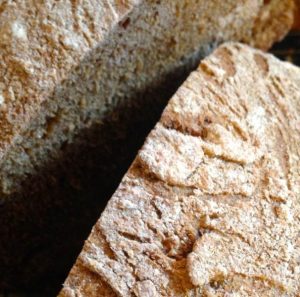
Rye and wheat sourdough with seeds
I confess, I am not a fan of caraway seeds. I think maybe I over loaded on them when I was a child, or maybe I never liked them.Recently, however, I have used them in cooking (rather than baking) as they are called for in my recipe for cabbage rolls (which I LOVE) and I have come to appreciate that a teeny tiny amount of caraway seeds in bread tastes delicious.
Servings:0
Equipment
- bowls, scale, baking tray, non stick parchment, scraper
Ingredients
To refresh the starter
- 130 g Rye sourdough from the vat in the fridge
- 25 g Dark or light rye flour
- 25 g Whole or white wheat flour (or a mixture)
- 60 g Water
For the dough
- 100 g Dark or light rye flour
- 250 g Whole or white wheat flour or a mixture
- 150 g Water
- 8 g Salt
- 1/2 tsp caraway seeds (really, no need for more)
- 1-2 handfuls pumpkin seeds, sesame seeds, sunflower seeds, flax seeds...or a mixture soaked overnight in plenty of cold water
Instructions
Day One
- Measure the sourdough starter into a large bowl and return any remaining starter to the refrigerator.
- Add 25 g of the rye flour, 25 of the wheat flour and 60 g of the water. Stir and cover with plastic wrap, and leave on the counter for around 8 hours. You will know it's ready to use when it's bubbling and sweet smelling.
- At the same time, put all the seeds (not the caraway seeds) into a bowl and cover with cold water. If it's a hot time of year, place in fridge. If not, place on counter.
Day Two
- Drain the seeds. Place the refreshed starter and all the remaining ingredients plus the drained seeds into a big bowl and knead well by hand or machine for 10 minutes. Cover the bowl with a shower hat and let it rest for 2 hours. During that time, if you can be bothered, stretch and fold it a few times to develop the gluten.
- Generously flour a medium sized (around 800 g) round proofing basket. Or grease a big bread pan.
- Remove the dough from the bowl and place it on a floury work surface. With wet hands and a scraper, gently stretch and fold it and then shape it into the shape you need for your basket or tin. Place the dough in the basket or tin.
- Cover it with a shower hat and let it rest for 3-5 hours. It's hard to do the probe test with rye but the dough will have risen a lot and will be soft to touch - your finger tip will easily leave dents in the dough.
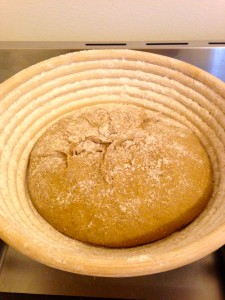
- Preheat the oven to 230 degrees C. If you have used a basket, turn the dough out of the basket onto a baking tray lined with parchment paper. Pop it in the oven. If you have used a tin, pop it in the oven.
- Bake for 10 minutes and then reduce the heat to 200 degrees C and bake for a further 30 minutes.
- Remove from the basket and let cool completely on a wire rack.